Find its light
Partial to bright, open shade. Avoid harsh afternoon sun.
 Cart 0
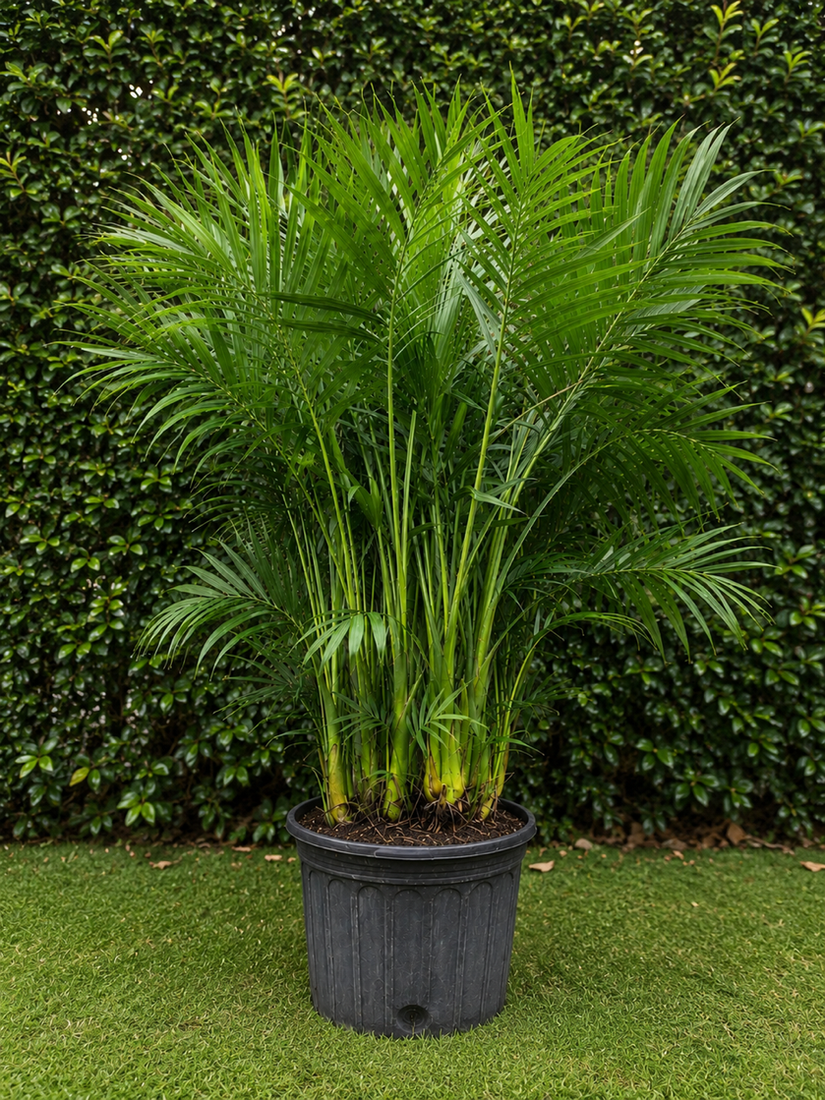 REPRESENTATIVE PRODUCT IMAGE
FOR INDOOR & OUTDOOR LIVING
$34.99
Soft, arching fronds for a lush corner indoors or a sheltered outdoor space.
See it in a pairing ↗One plant in the selected nursery size, unless the option specifies a pack. Decorative pots, planting materials, and installation are separate. Plants vary in height and fullness.
We serve Edgewater, Brickell, Downtown Miami, and Wynwood. Same-day delivery depends on availability and route capacity. Delivery fees are quoted separately. For high-rise deliveries, share your building access and elevator requirements with our team.
A LITTLE LOCAL GROWING KNOW-HOW
Chamaedorea cataractarum
Partial to bright, open shade. Avoid harsh afternoon sun.
Suitable indoors with bright light or outdoors in a sheltered, warm site. Use a draining nursery pot inside decorative planters.
Well-drained soil. Backfill landscape palms with the existing soil rather than enriching only the hole. In pots, use an airy palm mix with drainage holes; mulch outside the trunk.
Keep the root zone evenly moist during active growth, with drainage after watering. Check containers often in heat or wind; water when the surface begins to dry. Reduce in cool weather without letting the root ball dry out.
Clumping, trunkless palm with arching fronds; allow roughly 3–8 ft of height and up to 8 ft of spread.
Best in frost-free zones 10–11. In zone 9b, use a movable container or a reliably protected microclimate; frost can damage or kill exposed growth.
Plant size, moisture needs and cold tolerance vary with cultivar, exposure and establishment. Check the root zone before watering; nursery pot size is not mature plant size.
USDA zones describe average annual extreme winter lows, not indoor light, summer heat, salt exposure or drainage. 9b: 25–30°F; 10a: 30–35°F; 10b: 35–40°F; 11a: 40–45°F; 11b: 45–50°F. About USDA zones ↗
 Plants
From $99.99
 Palms
From $34.99
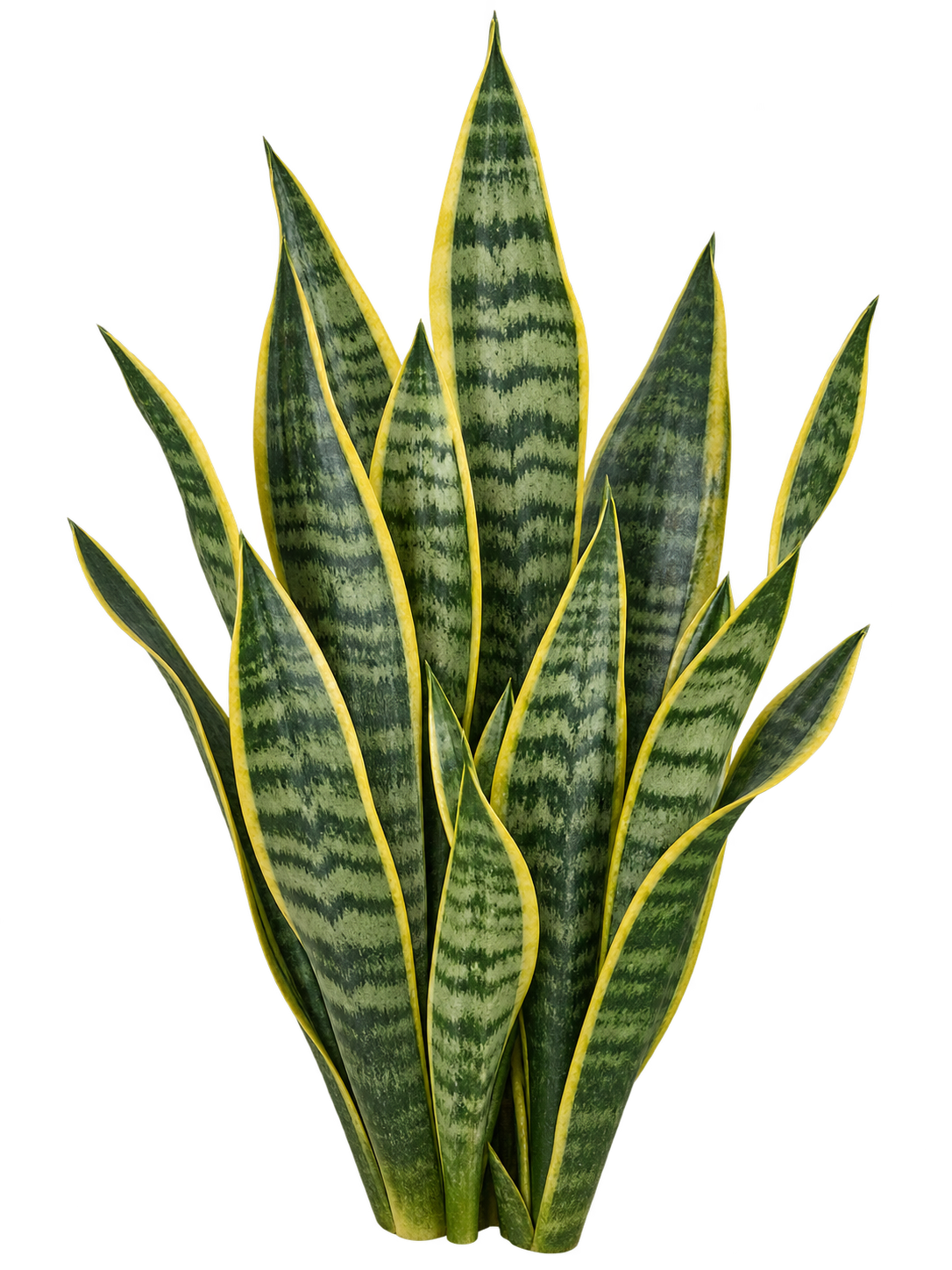 Plants
$14.99
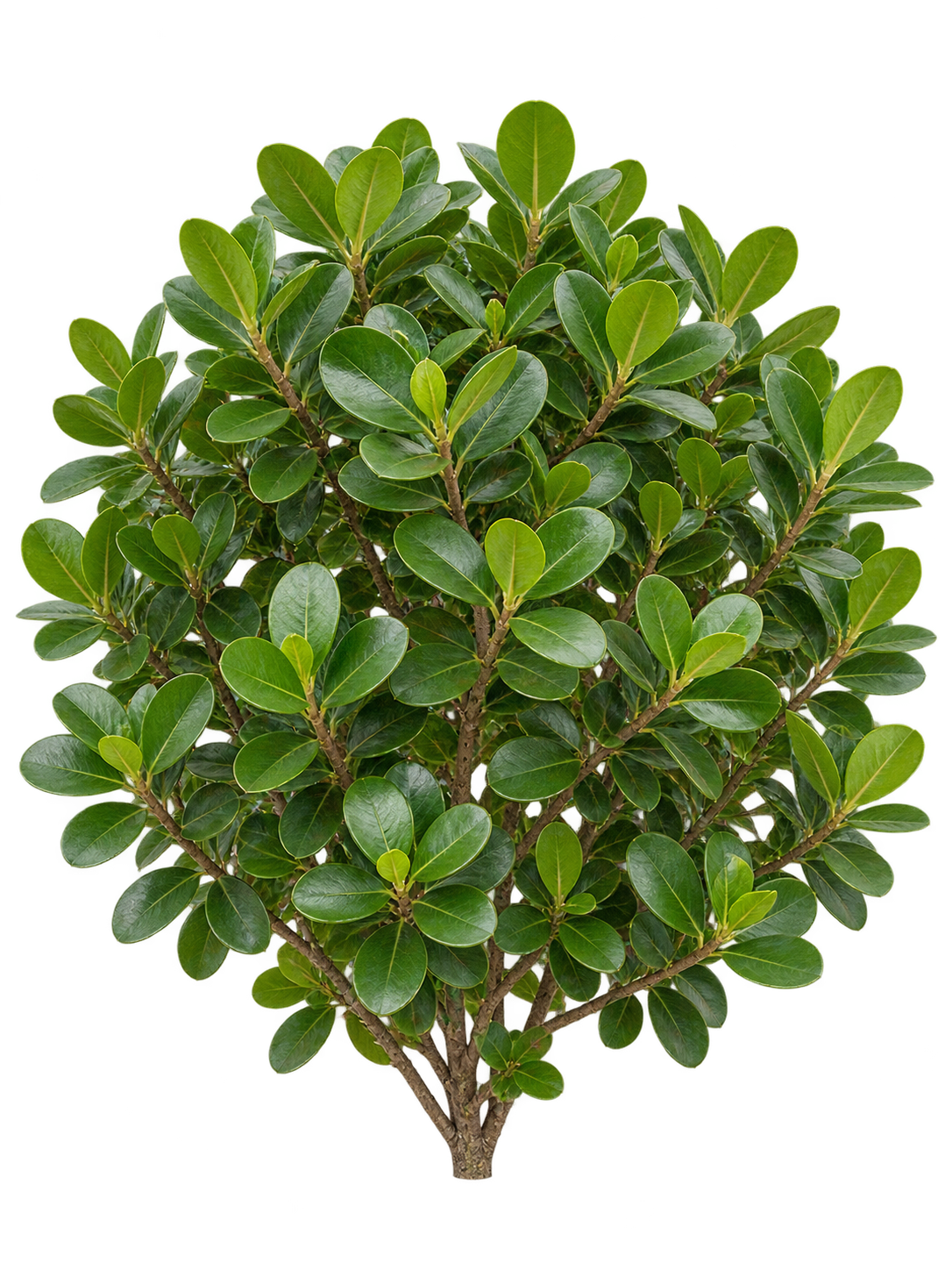 Plants
From $7.99