Find its light
Partial to bright, open shade. Avoid harsh afternoon sun.
 Cart 0
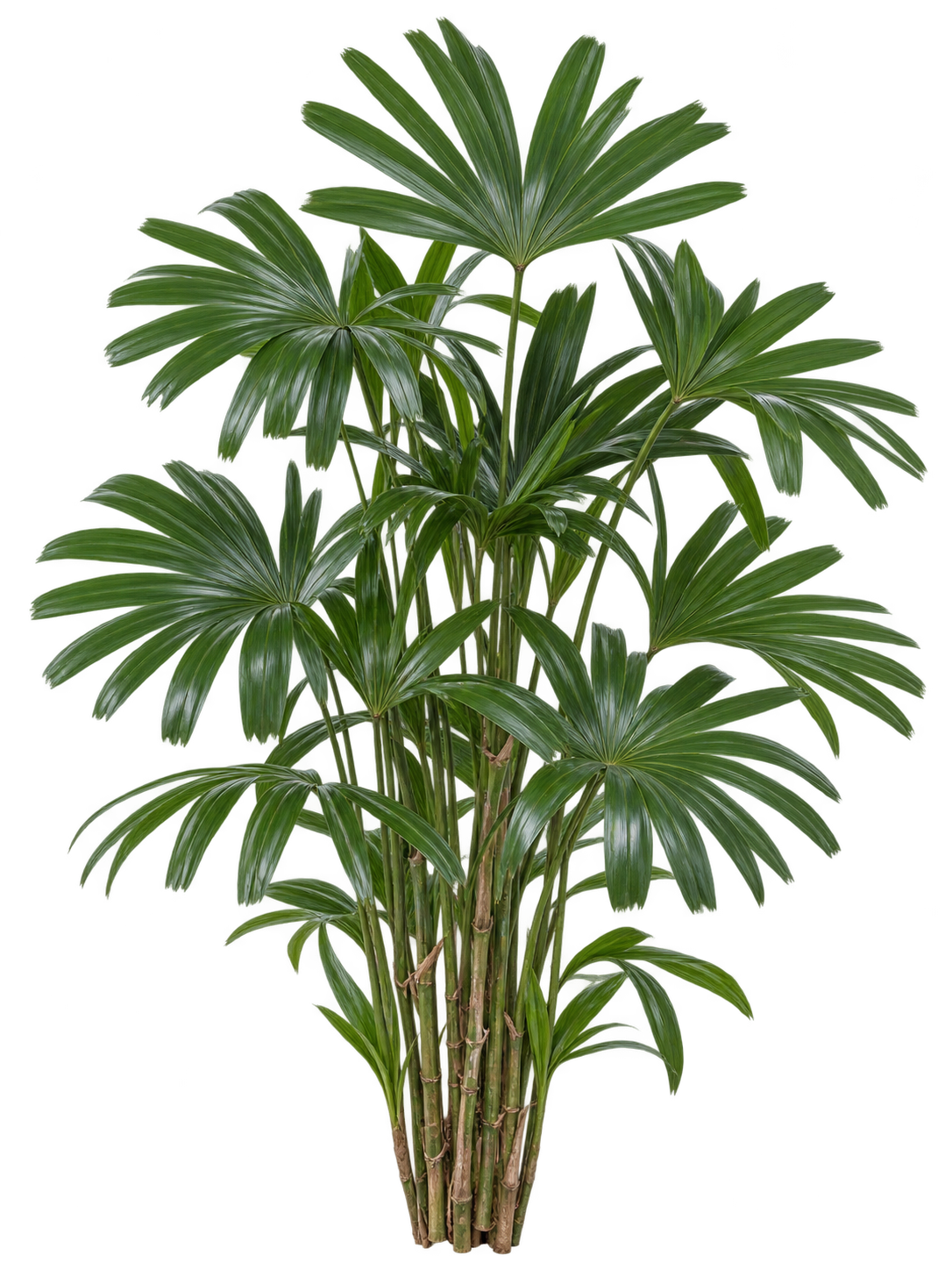 REPRESENTATIVE PRODUCT IMAGE
FOR INDOOR & OUTDOOR LIVING
$149.99
Fan-shaped leaves and a refined silhouette for bright interiors and protected patios.
See it in a pairing ↗One plant in the selected nursery size, unless the option specifies a pack. Decorative pots, planting materials, and installation are separate. Plants vary in height and fullness.
We serve Edgewater, Brickell, Downtown Miami, and Wynwood. Same-day delivery depends on availability and route capacity. Delivery fees are quoted separately. For high-rise deliveries, share your building access and elevator requirements with our team.
A LITTLE LOCAL GROWING KNOW-HOW
Rhapis excelsa
Partial to bright, open shade. Avoid harsh afternoon sun.
Suitable indoors with bright light or outdoors in a sheltered, warm site. Use a draining nursery pot inside decorative planters.
Well-drained soil. Backfill landscape palms with the existing soil rather than enriching only the hole. In pots, use an airy palm mix with drainage holes; mulch outside the trunk.
Water thoroughly when the top 1–2 inches of potting mix feel dry, then drain the pot and empty its saucer. Check rather than watering on a fixed schedule; use less water in low light or cool weather.
Slow, upright, spreading clump; roughly 4–12 ft tall and 6–15 ft wide outdoors. Rhizomes gradually widen the planting.
Suitable for warm landscapes across zones 9b–11, subject to the site and cultivar. Protect new plants and container roots during unusual freezes.
Plant size, moisture needs and cold tolerance vary with cultivar, exposure and establishment. Check the root zone before watering; nursery pot size is not mature plant size.
USDA zones describe average annual extreme winter lows, not indoor light, summer heat, salt exposure or drainage. 9b: 25–30°F; 10a: 30–35°F; 10b: 35–40°F; 11a: 40–45°F; 11b: 45–50°F. About USDA zones ↗
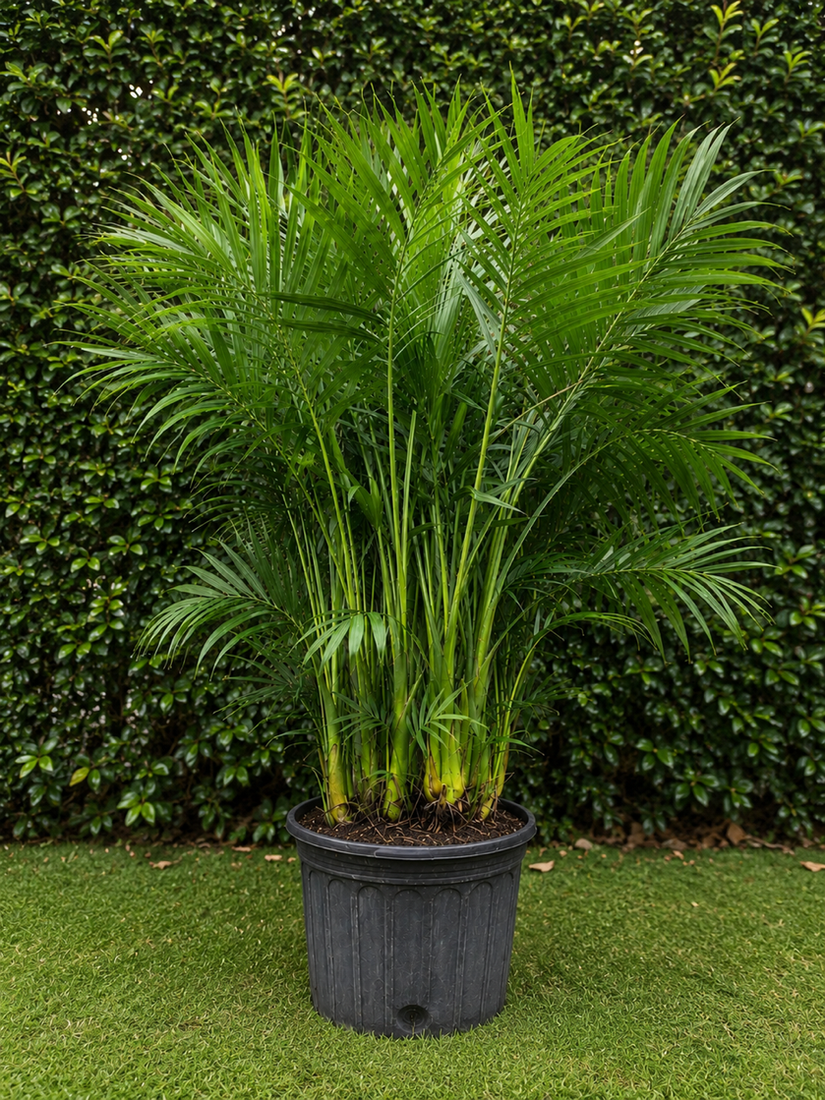 Palms
From $34.99
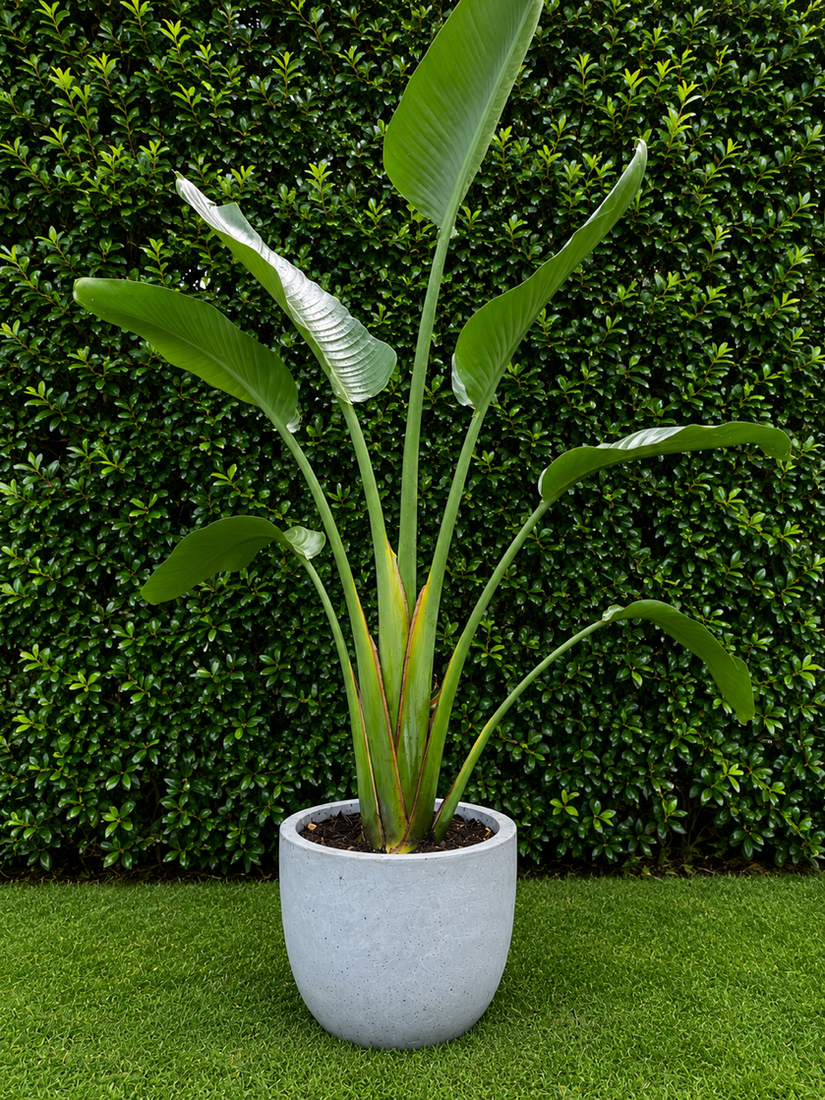 Plants
From $99.99
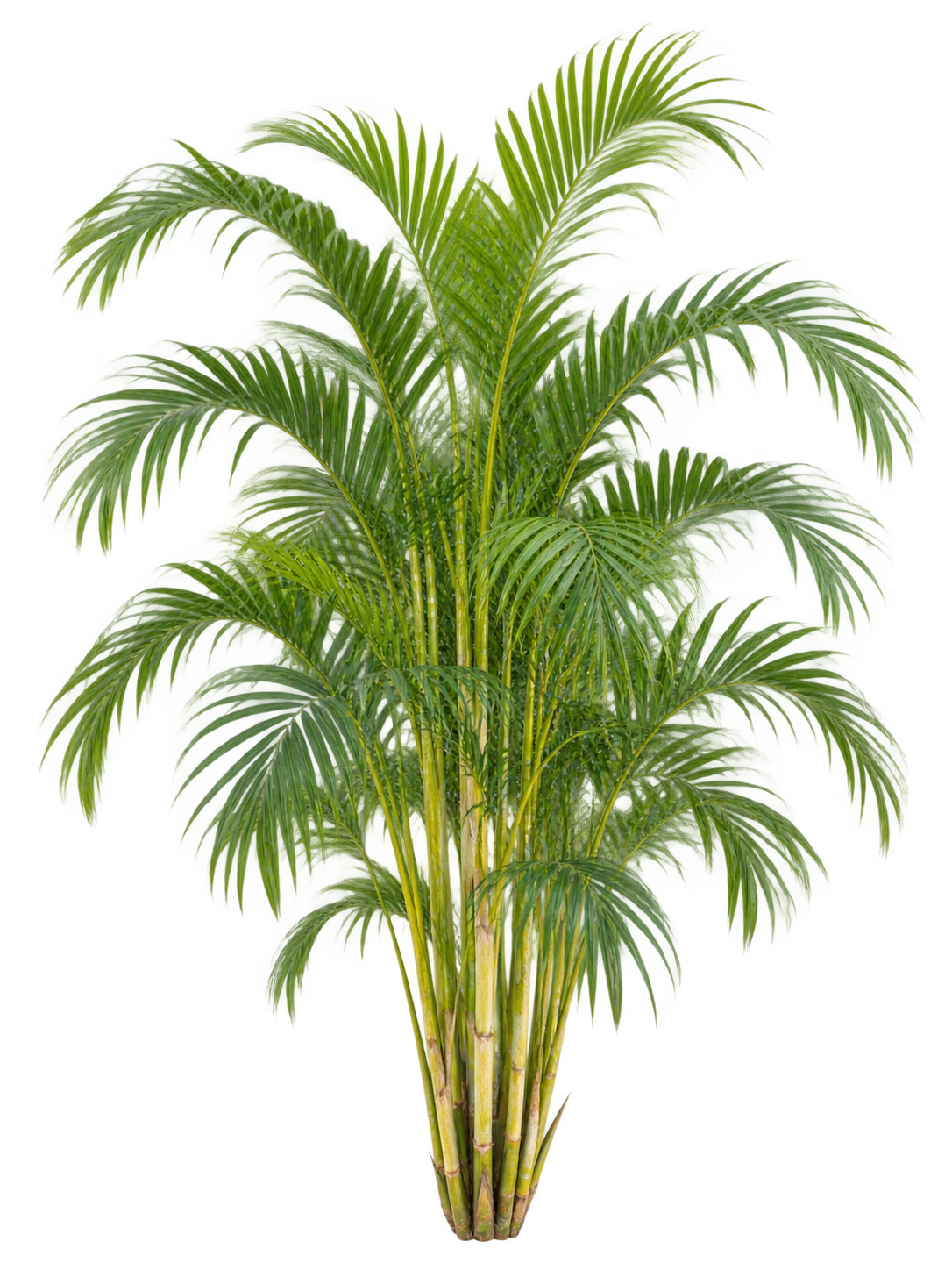 Palms
From $34.99
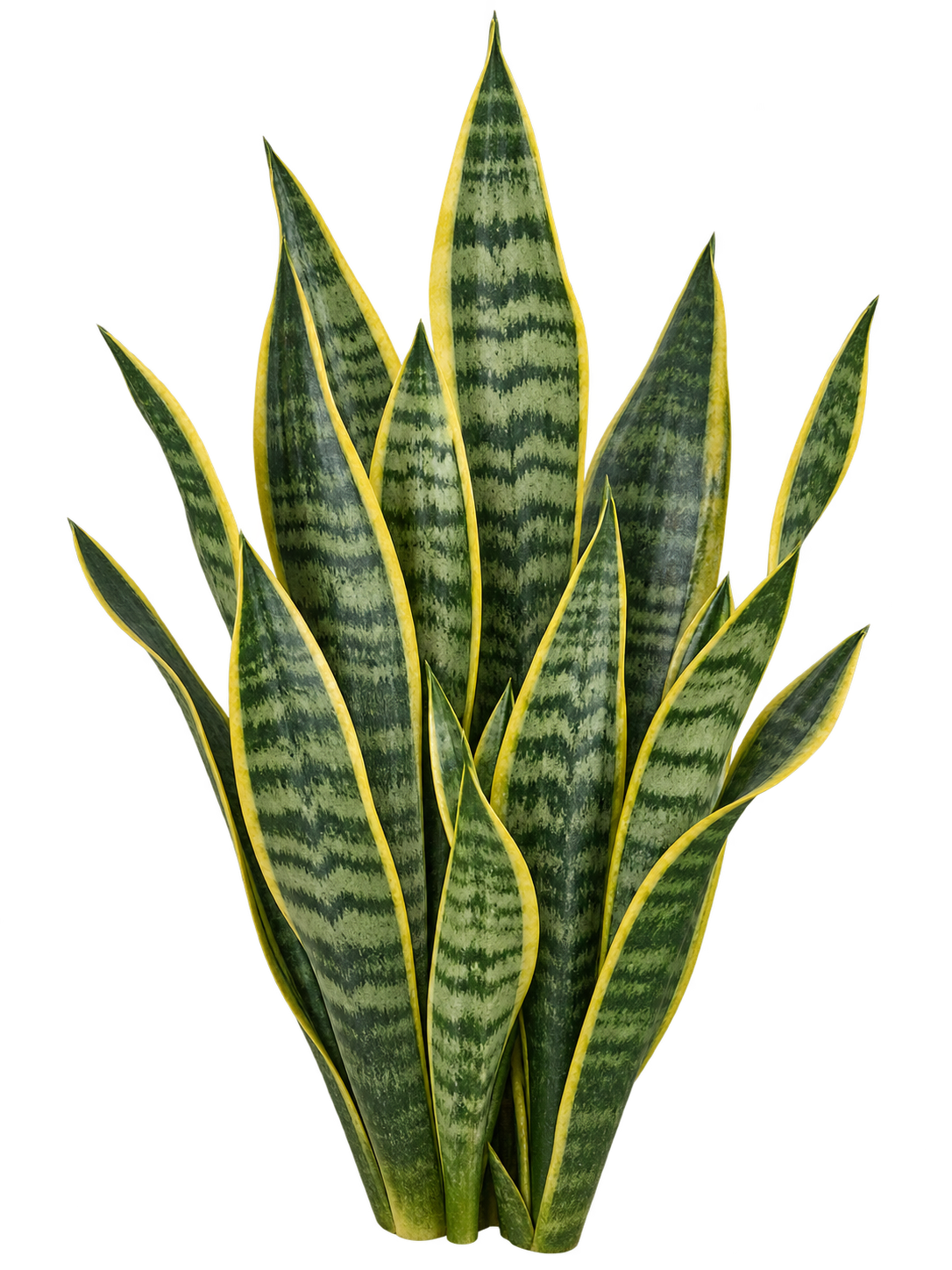 Plants
$14.99