Find its light
Full sun to partial shade. Acclimate nursery-grown foliage gradually to stronger sun.
 Cart 0
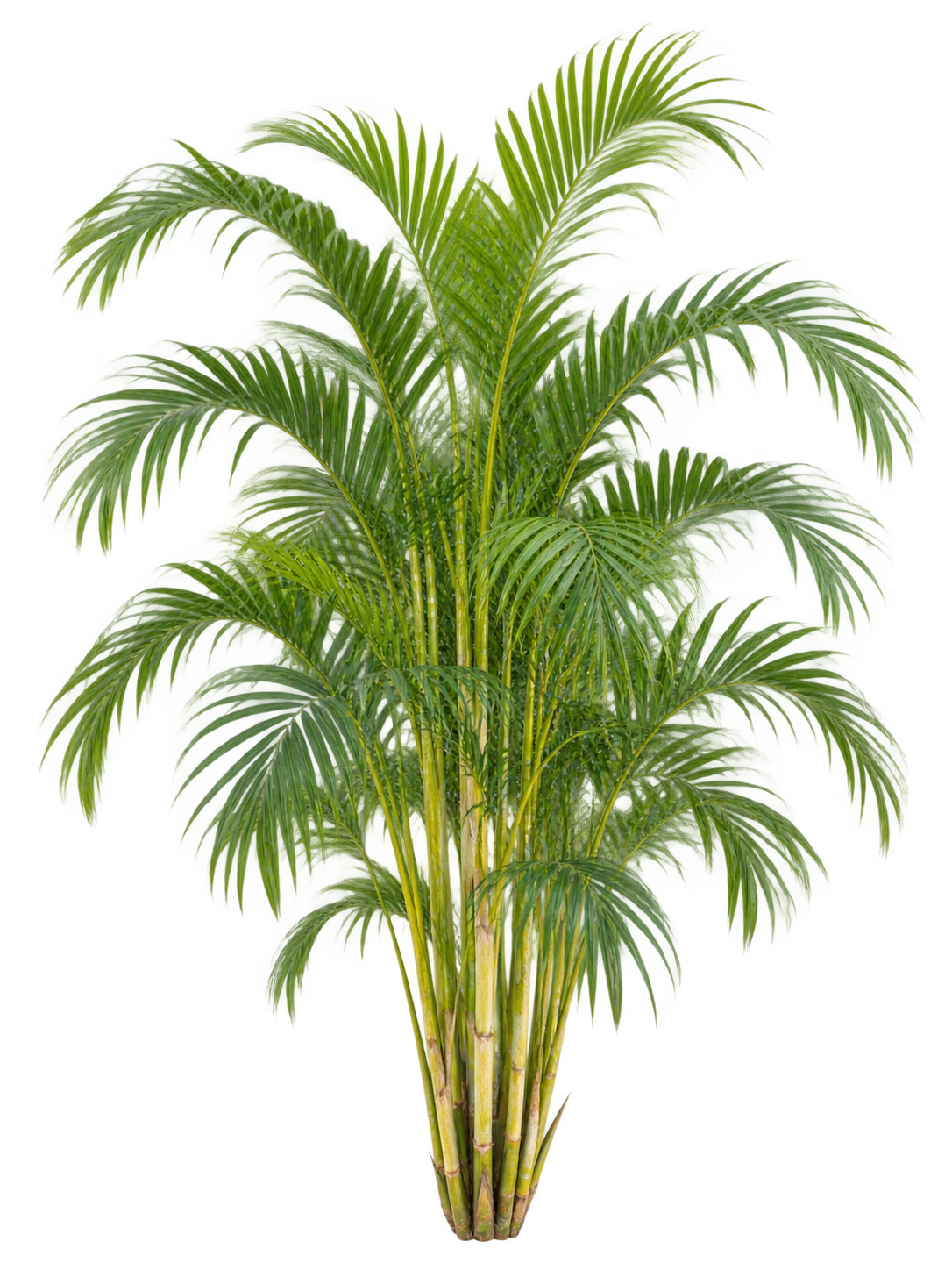
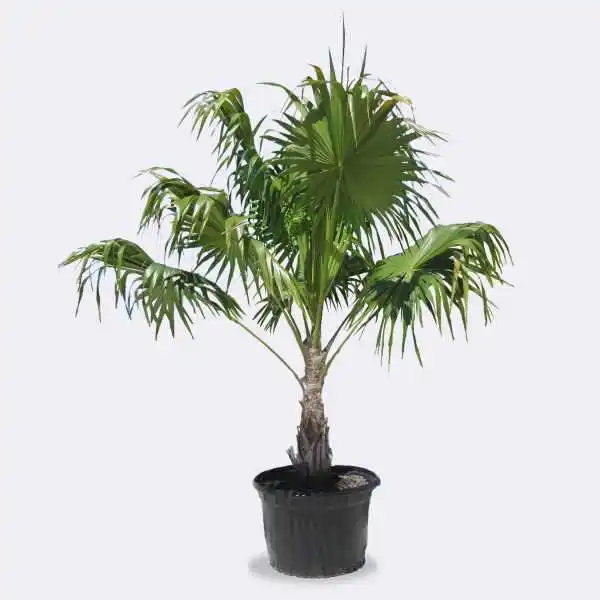 REPRESENTATIVE PRODUCT IMAGE
FOR YOUR OUTDOOR SPACE
$249.99
Thatch Palm for your planting plan. A selection for specimen. Choose the size and option that suit your space.
Explore the pairing studio ↗One plant in the selected nursery size, unless the option specifies a pack. Decorative pots, planting materials, and installation are separate. Plants vary in height and fullness.
We serve Edgewater, Brickell, Downtown Miami, and Wynwood. Same-day delivery depends on availability and route capacity. Delivery fees are quoted separately. For high-rise deliveries, share your building access and elevator requirements with our team.
A LITTLE LOCAL GROWING KNOW-HOW
Thrinax radiata
Full sun to partial shade. Acclimate nursery-grown foliage gradually to stronger sun.
An outdoor landscape specimen. Plan for mature root and canopy space; it will outgrow a small balcony pot.
Well-drained soil. Backfill landscape palms with the existing soil rather than enriching only the hole. In pots, use an airy palm mix with drainage holes; mulch outside the trunk.
Water regularly while roots establish. Once established in the ground, water deeply during prolonged dry weather and allow the upper soil to dry between soakings. Container plants need more frequent checks.
Slow, solitary native fan palm with a narrow trunk; can reach 20 ft or more over time. Naturally suited to well-drained sand or limestone.
Best in warm zones 10b–11. Zone 9b and exposed 10a sites need cold protection; do not rely on this as a freeze-hardy landscape plant.
Plant size, moisture needs and cold tolerance vary with cultivar, exposure and establishment. Check the root zone before watering; nursery pot size is not mature plant size.
USDA zones describe average annual extreme winter lows, not indoor light, summer heat, salt exposure or drainage. 9b: 25–30°F; 10a: 30–35°F; 10b: 35–40°F; 11a: 40–45°F; 11b: 45–50°F. About USDA zones ↗
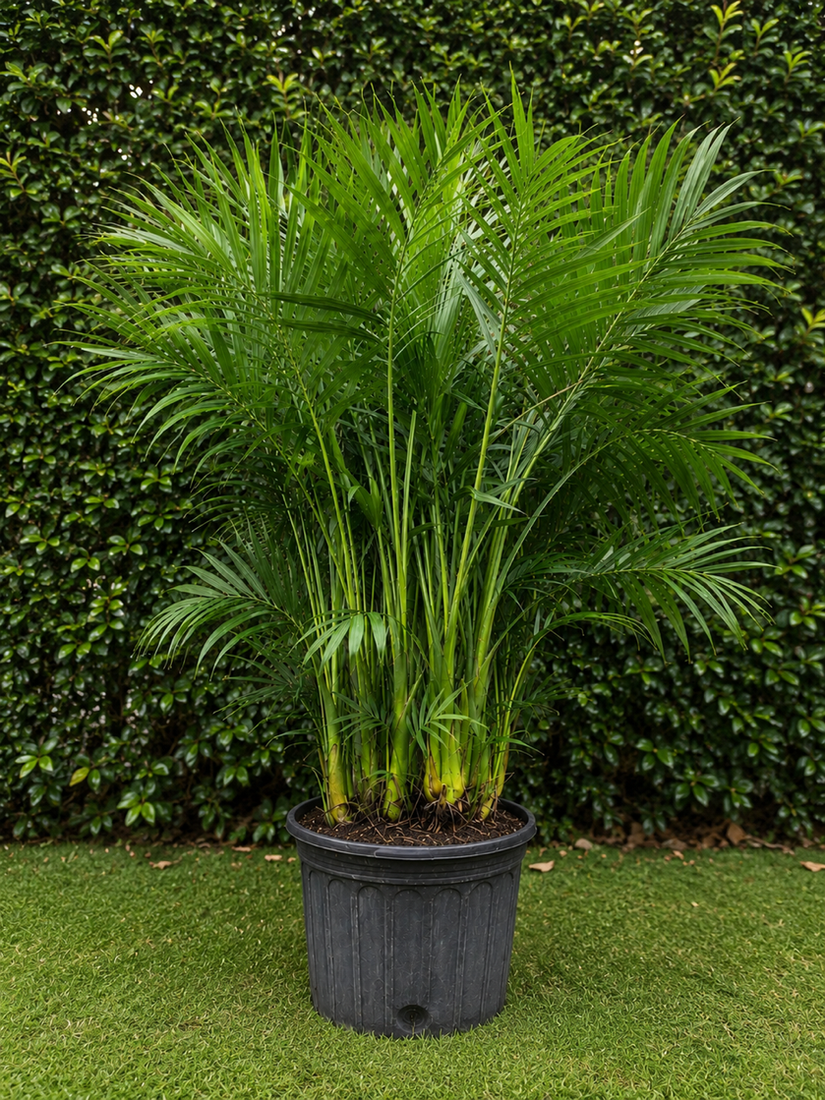 Palms
From $34.99
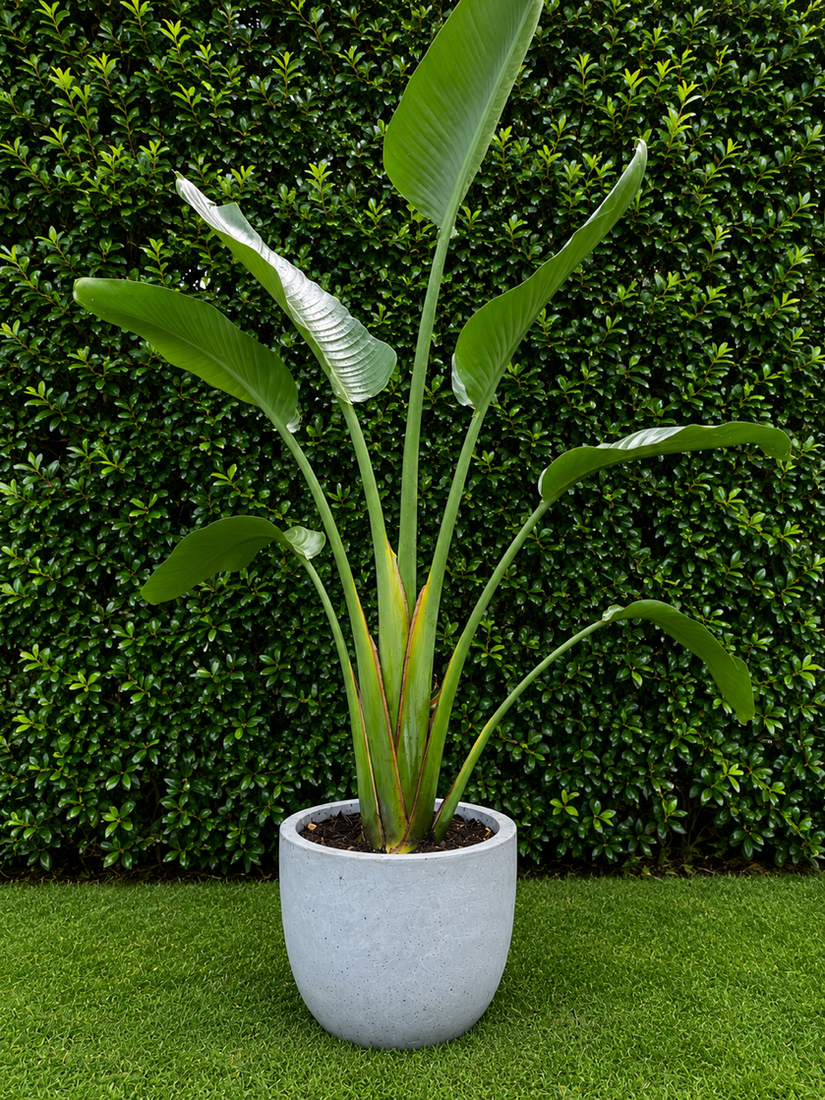 Plants
From $99.99
 Palms
From $34.99
 Plants
$14.99